
Thoroughbreds snort as they toss their heads, with eager hooves thumping a varied rhythm into the freshly prepared sand on a warm August afternoon.
The sound of an announcer’s voice booming over the loudspeaker serves as a signal for spectators to gather, some leaning against or even climbing atop the white rail fence that borders the track.
Excitement fills the air at Onion Lake Cree Nation’s Heritage Park, located 50 kilometers north of Lloydminster on Saskatchewan’s side of the border, as the fifth and final day of what organizers refer to as Indian Relay Racing is about to commence.
“The crowd has been fantastic; the stands have been full every day,” said race organizer Candy Jackson. “With four relays happening simultaneously and 14 incredible teams—humble teams—choosing Onion Lake, I am truly grateful.”
This team sport features riders racing around a track, switching horses in the process. Competitors ride three laps bareback, each on a different horse. The transitions are often electrifying, as riders must dismount and place both feet on the ground before jumping onto the next horse.
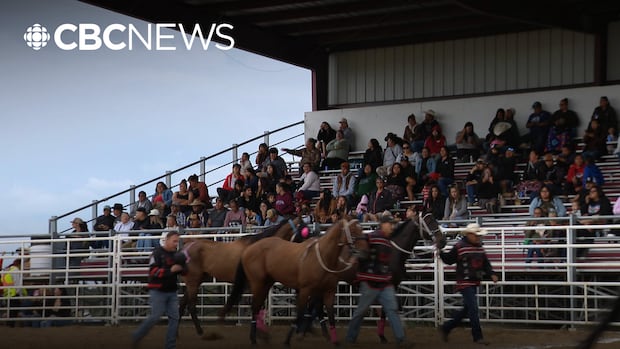
This sport involves racing down a dirt track on a thoroughbred’s bare back, and it is gaining popularity nationwide. Lexi Freehill reports from Onion Lake Cree Nation, highlighting that it goes beyond just high-speed racing; it connects to cultural heritage.
Unexpected collisions, spirited or overly excited horses, and falls can swiftly alter the course of a race.
Over the past ten years, this sport has been gaining traction throughout the Prairies. Races are becoming a summer staple, attracting large audiences and increasing cash prizes.
Tyson Head, a farrier from Mistawasis, Sask., has been involved in horse racing his entire life. Since establishing his team T.K. Farrier in 2017, he has witnessed enthusiastic fans and six-figure payouts becoming common.
“We have been engaged in this for nine years now, and we’ve secured numerous championships and titles,” he shared with CBC News.
According to Head, the increasing popularity of the races is drawing in more sponsors, which further ignites interest from individuals eager to enter the sport.
“When I began, there were only 16 teams,” he noted. “Now, there are over 40 teams competing and giving their all.”
This growth paves the way for further development, as newcomers learn from seasoned teams and eventually launch their own, welcoming new waves of aspiring racers while sharing valuable experience and horse-handling skills.
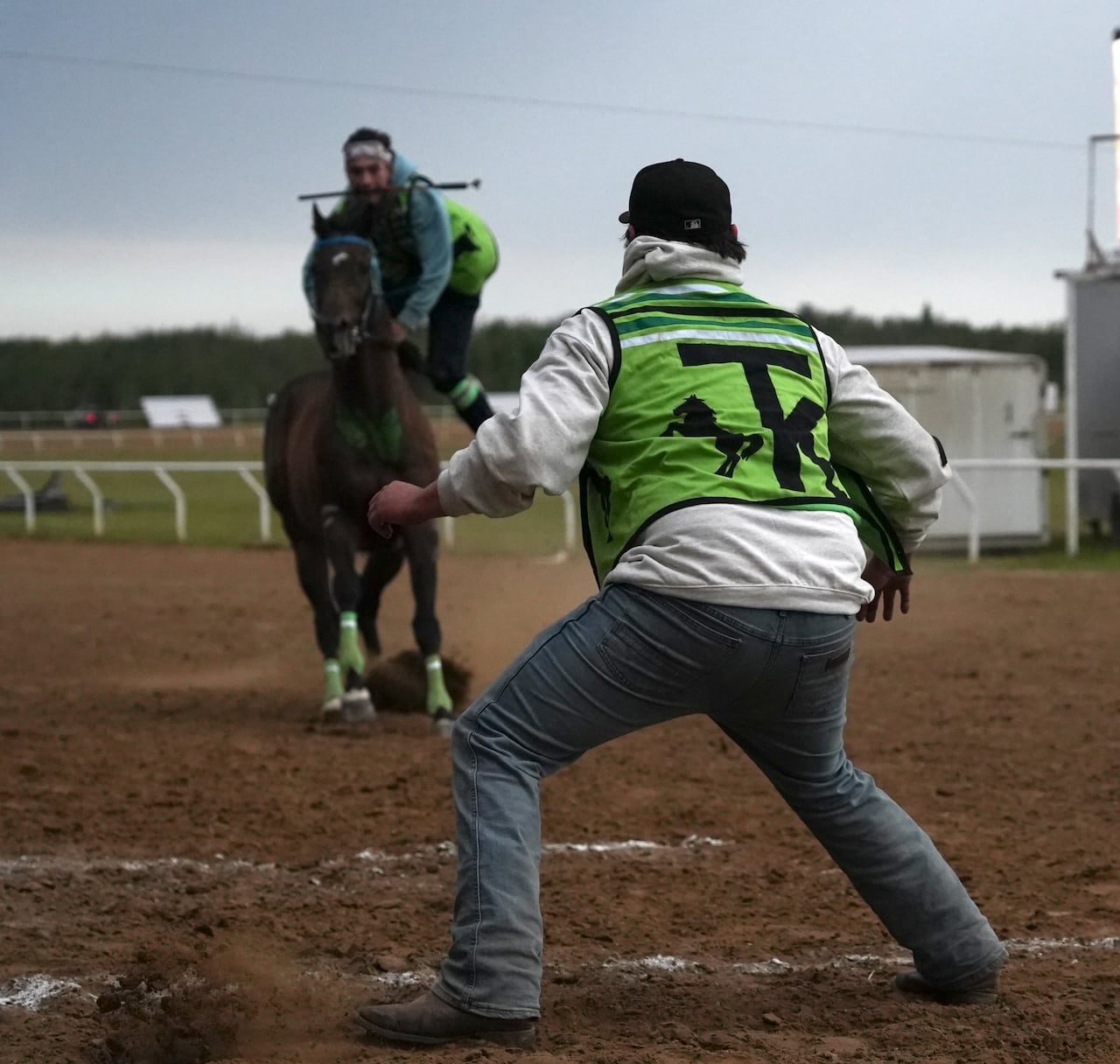
A backholder for T.K. Farrier balances himself as he gets ready to catch the reins of the fast-moving horse while rider Carter Houle prepares to jump off for the third and final horse exchange in the championship race. (Lexi Freehill/CBC)
However, while the rapid expansion of the sport brings advantages, Jackson, who is from Goodfish Lake, expressed concerns about the potential challenges that come with increased popularity.
“Initially, we began as wahkohtowin, which stands for unity and family,” Jackson explained. “We supported one another, helping each other along the way, ensuring everyone made it to their destination.”
“Over the years, as the events grew larger… the sense of unity diminished, and people changed. Everyone became focused on winning the championship.”
Jackson aims to keep the races—and the riders—connected to their cultural roots as both an organizer and the mother of Kal “Buffalo Boy” Jackson, one of the first Canadian relay riders.
Beginning her racing events with a pipe ceremony and prayers is one method Jackson uses to ground the sport in tradition. Additionally, some riders, including 19-year-old cousins Kyla and Kayden Stanley, prepare themselves and their horses with prayers and smudging prior to competing.
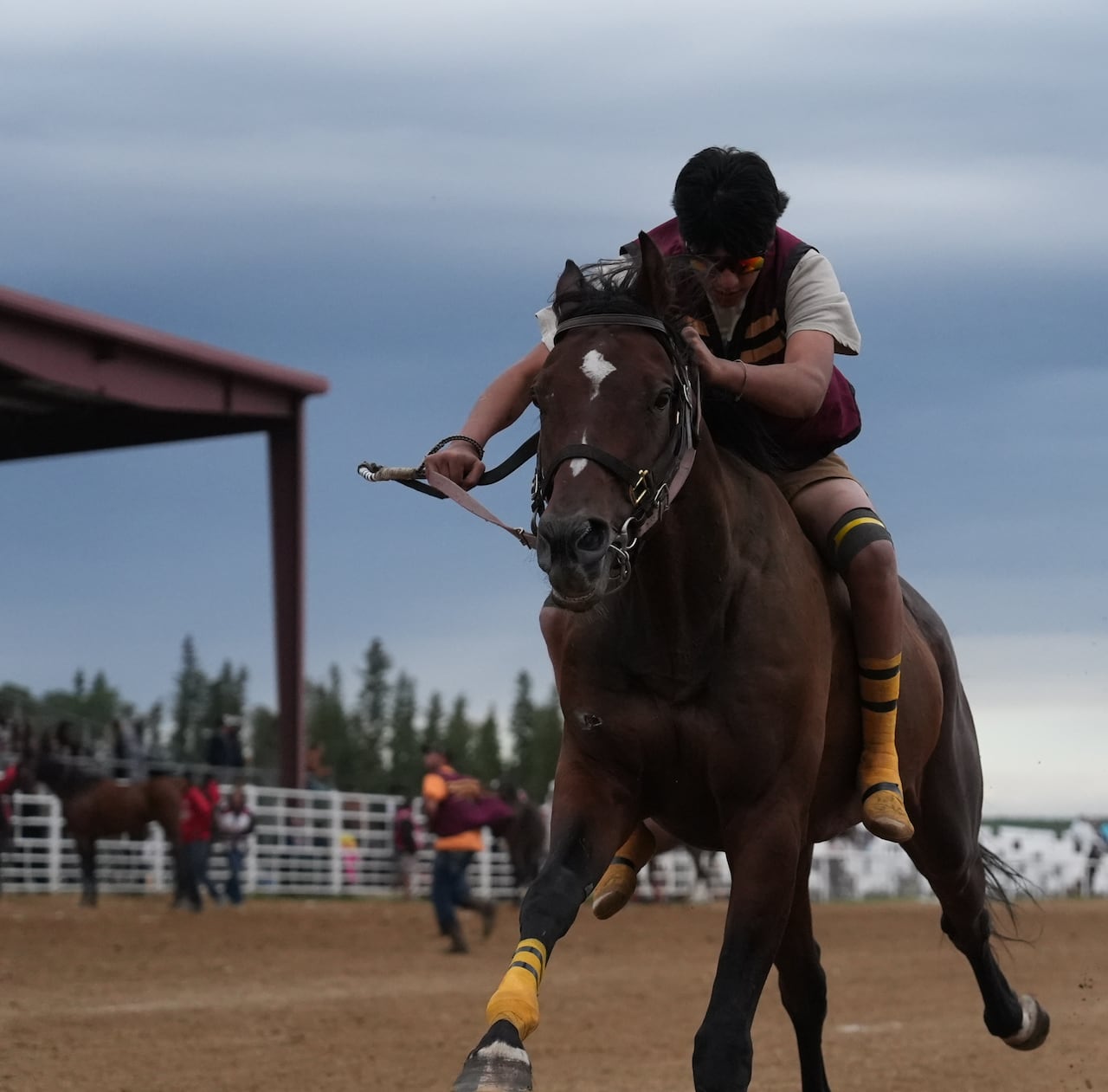
19-year-old jockey Kayden Stanley from Onion Lake Cree Nation aspires to demonstrate his abilities at the Calgary Stampede in the future. (Lexi Freehill/CBC)
“[It] provides me with a greater sense of calm and safety when I’m out there,” Kyla Stanley shared with CBC News.
“This sport can be very dangerous if you’re reckless,” Kayden Stanley remarked. “However, if you approach it safely, it can be an incredibly rewarding experience.”
Beyond the monetary prizes and the quest for championship titles, each rider has the chance to remain true to their traditions and recall their roots, Jackson emphasized, noting that many young jockeys carry stories of personal struggles.
“The genuine purpose of the sport is that the riders possess a talent; the gift is derived from the horse,” she stated. “It embodies their healing spirit.
“The spirit of the horse has brought them back, returning them to their true warrior selves.”