
WARNING: This article discusses violence against children and suicide attempts.
Testimony wrapped up on Wednesday in the murder trial of Lindsay Clancy, a mother charged with strangling her three small children, a case that has highlighted issues surrounding postpartum mental health.
Closing statements are set to commence Thursday, after which the jury will begin its deliberations.
Clancy, aged 36, has entered a not guilty plea based on lack of criminal responsibility, with her defense team contending she was suffering from postpartum psychosis at the time she killed her five-year-old daughter Cora, three-year-old son Dawson, and eight-month-old son Callan Clancy at their residence in coastal Duxbury, Massachusetts, in January 2023.
This uncommon mental health condition is associated with the pressures, lack of sleep, and hormonal fluctuations that occur after childbirth.
FBI psychiatrist provides testimony
Prosecutors assert that Clancy premeditated the murders and was aware that her actions were wrong.
Clancy did not take the stand during the trial, which has now entered its fifth week. The defense called ten witnesses, including several of Clancy’s friends and family, while the prosecution presented over 70 witnesses, including her estranged husband.
In a rebuttal testimony for the prosecution, a forensic psychiatrist from the University of Virginia, who is also a senior psychiatrist for the FBI’s Behavioral Analysis Unit, stated on Wednesday that he did not believe Clancy’s claim that a voice instructed her to kill her children.
Prosecutor Jennifer Sprague posed a series of questions to Dr. Gregory Saathoff regarding Clancy’s statements: Did the voice specify how to kill the children? Where to do it? What methods to use? In what sequence? Saathoff replied negatively each time.
“Executing those decisions without any guidance is surprising; it’s hard to comprehend how she could do this without any sort of plan,” he remarked.
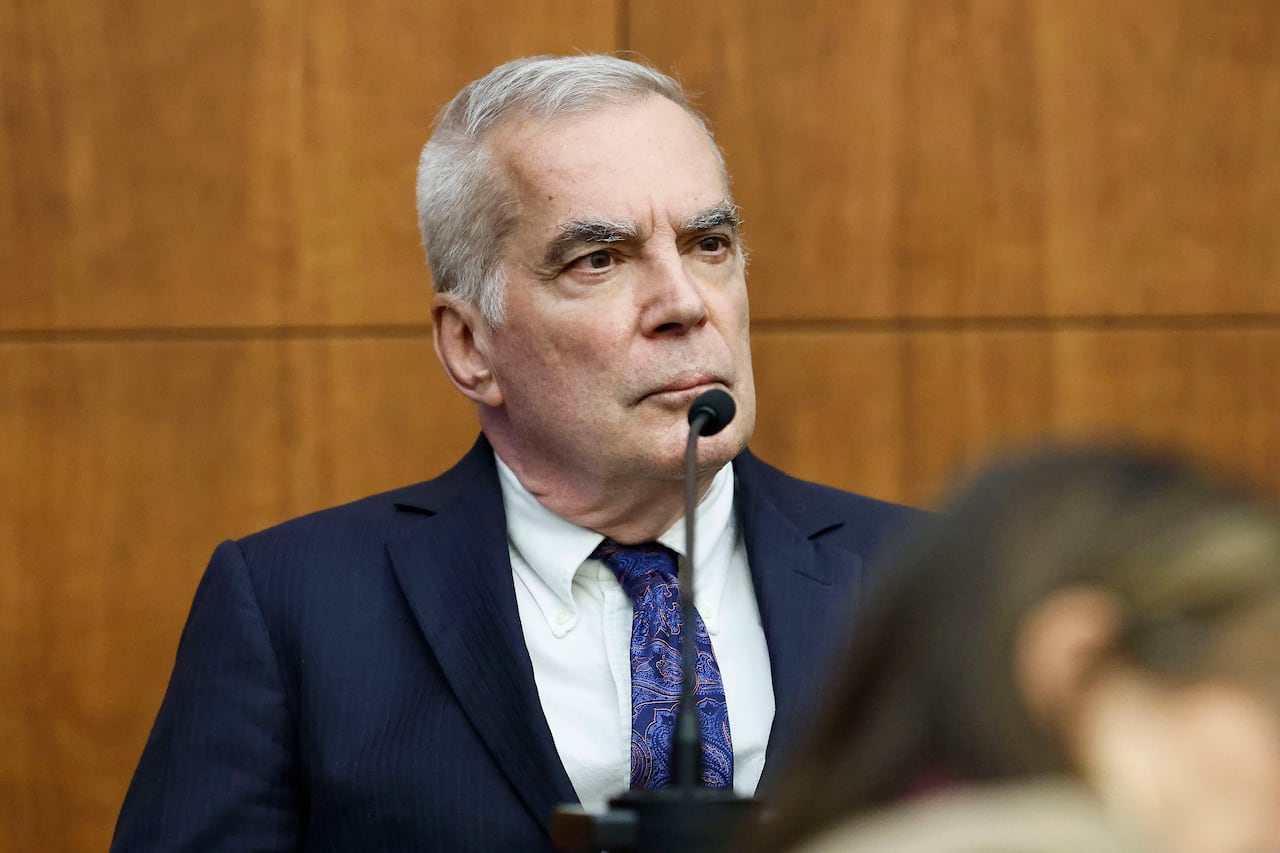
Forensic psychiatrist Dr. Gregory Saathoff was one of the last witnesses to testify in the trial. (Greg Derr/The Patriot Ledger/The Associated Press)
All three children were reportedly strangled with exercise bands in the basement of the family home before Clancy attempted to take her own life while her husband was out getting takeout and at a pharmacy on January 24, 2023. Saathoff noted that her ability to carry out these acts without any directive suggested that Clancy “had control over the sequence of her actions.”
“The limited time Miss Clancy had alone in the home without her husband was critical for her to quickly and methodically execute her plan, including her suicide,” he explained.
On Tuesday, Saathoff expressed that he found it peculiar that Clancy claimed the voice ceased once she had finished strangling the children, stating that the voice was constant rather than sporadic, and noting that she had never reported hearing a voice to her medical providers before. He also mentioned that she provided a different timeline to other evaluators regarding when she first heard the voice that day.
“The act itself does not eliminate the voice,” Saathoff commented regarding the voice’s sudden cessation. “I have never encountered that before.”
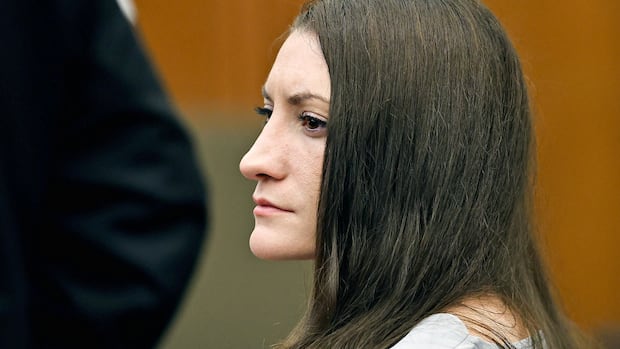
The intense fascination surrounding the Lindsay Clancy trial has transformed a tragic event into a whirlwind of speculation, misinformation, and conspiracy theories. Ashley Fraser from The National delves into how social media’s relentless curiosity about the case affects both the awareness and understanding of postpartum psychosis.
Skepticism about psychiatrist’s expertise on postpartum psychosis
Defense attorney Kevin Reddington began his cross-examination of Saathoff on Wednesday by questioning Saathoff’s qualifications in postpartum psychosis and suggesting a close association with law enforcement, probing into his work with correctional facilities, the Justice Department, and the Virginia attorney general’s office.
Saathoff testified that he had treated women suffering from postpartum psychosis during his time at a state hospital in the 1980s and 1990s, although much of his recent research has centered on topics like extremist violence, national security, and political radicalization.
Reddington also inquired about Clancy’s online searches regarding postpartum depression, her visits to numerous maternal and mental health professionals, her disclosures to her mother and husband about suicidal thoughts and fears of harming her children, as well as her calls to a suicide hotline — all of which Reddington argued demonstrated Clancy’s awareness that something was seriously amiss and her genuine attempts over time to seek help.
Reddington pressed Saathoff on whether he believed Clancy chose to kill her children due to dissatisfaction with the life she envisioned and viewed it as a “selfish choice” to “manipulate her caregivers, seeking a quick solution when feeling depressed and anxious.”
“That statement you referenced significantly downplays what she was enduring,” Saathoff replied.
If you or someone you know is in crisis, here are some resources for assistance:
- Canada’sSuicide Crisis Helpline: Call or text 988.
- Provincial and territorialmental health support.
- Kids Help Phone: 1-800-668-6868. Text 686868. Live chat available onthe website.
- This guide from theCentre for Addiction and Mental Healthprovides insights on how to discuss suicide with someone you are concerned about.